Category: Web Design

  • Digital Marketing vs Traditional Marketing: What’s the Difference?

    Digital Marketing vs Traditional Marketing: What’s the Difference?

    Marketing has always been an important part of growing a business. Whether a company is trying to introduce a new product, attract customers, increase sales, or build brand awareness, marketing helps communicate its value to the people it wants to reach.

    Today, businesses have many different marketing options available. Two broad approaches are digital marketing and traditional marketing.

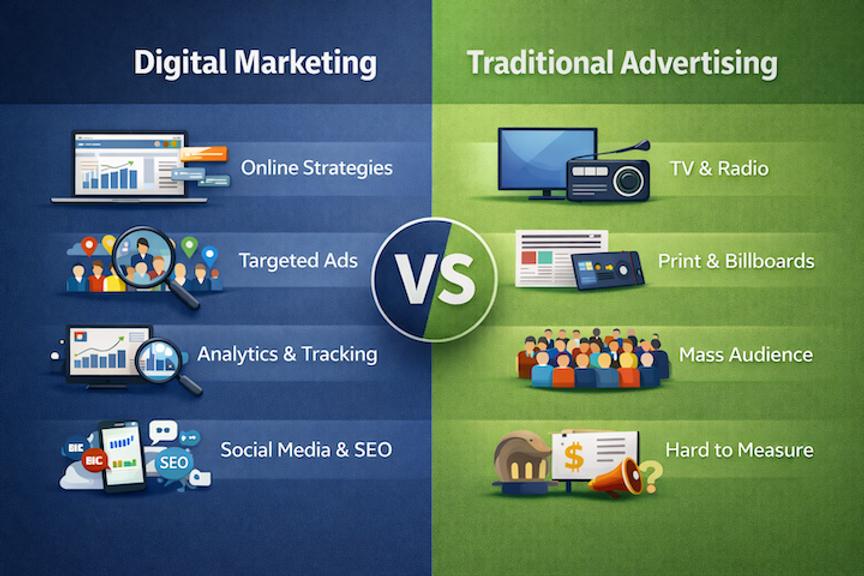
    Traditional marketing has been used for decades through channels such as television, radio, newspapers, magazines, billboards, flyers, and direct mail. Digital marketing, on the other hand, uses internet-based channels such as search engines, social media, websites, email, and online advertising.

    Both approaches can serve different purposes. Understanding their differences can help businesses decide which marketing methods are appropriate for their goals and target audience.

    What Is Digital Marketing?

    Digital marketing is the promotion of products, services, or brands through digital channels.

    Some common examples include:

    • Search Engine Optimization (SEO)
    • Social media marketing
    • Content marketing
    • Email marketing
    • Google Ads
    • Social media advertising
    • Website marketing
    • Online video marketing

    For example, a business could publish an SEO article that appears in search results when potential customers search for relevant information. It could also use Instagram to share content or run an online advertising campaign targeting a specific audience.

    Digital marketing gives businesses many ways to communicate with potential customers online.

    What Is Traditional Marketing?

    Traditional marketing refers to marketing methods that do not primarily depend on internet-based channels.

    Examples include:

    • Television advertisements
    • Radio advertisements
    • Newspapers
    • Magazines
    • Billboards
    • Flyers
    • Posters
    • Brochures
    • Direct mail

    For example, a restaurant might place a billboard near a busy road or distribute flyers within its local area.

    Traditional marketing can still be useful, particularly when businesses want to reach audiences through physical or mass-media channels.

    Digital Marketing vs Traditional Marketing

    Although both approaches have the same broad objective of promoting a business, they operate differently.

    1. Where the Audience Is Reached

    One of the biggest differences is the environment in which customers encounter the marketing message.

    Digital marketing reaches people through internet-connected platforms. Customers may see advertisements while using social media, searching Google, reading websites, watching videos, or checking their email.

    Traditional marketing reaches people through channels such as television, radio, print media, and physical advertising.

    The right option depends partly on where a business’s target audience spends its time.

    2. Targeting

    Digital marketing can provide businesses with detailed targeting options, particularly when using online advertising platforms.

    Depending on the platform and campaign, businesses may be able to target audiences based on factors such as location, demographics, interests, or online behavior.

    For example, a local business in Lagos may want its online advertising to focus on people within a particular geographic area.

    Traditional advertising can also target specific audiences, but the targeting methods can be different.

    A company advertising on a radio station, for example, may choose a station whose listeners match the audience it wants to reach.

    3. Measuring Results

    Another major difference is how marketing performance can be measured.

    Digital marketing platforms often provide detailed data about campaigns and website activity.

    Businesses may be able to track metrics such as:

    • Impressions
    • Clicks
    • Click-through rate
    • Website visits
    • Engagement
    • Leads
    • Conversions
    • Cost per click
    • Return on investment

    For example, an online advertising campaign can show how many people clicked an advertisement and how many completed a desired action.

    Traditional marketing can also be measured, but some forms of traditional advertising may make it more difficult to directly connect an advertisement with a specific customer action.

    Businesses may use surveys, promotional codes, dedicated phone numbers, sales data, or other methods to evaluate the effectiveness of traditional campaigns.

    4. Communication With Customers

    Digital marketing provides opportunities for two-way communication.

    Customers can comment on social media posts, send direct messages, respond to emails, leave reviews, and interact with businesses through websites.

    Traditional marketing is often more one-directional. A television advertisement, billboard, or newspaper advertisement delivers a message to an audience, but the audience may not have an immediate way to respond directly through the same channel.

    However, traditional marketing can still encourage customers to visit a website, make a phone call, visit a store, or take another action.

    5. Speed and Flexibility

    Digital marketing campaigns can often be created, changed, or adjusted relatively quickly.

    For example, if an online advertisement is not performing as expected, a marketer may be able to change the audience, creative, budget, or messaging.

    Social media content can also be updated quickly.

    Traditional marketing materials can require more preparation.

    A billboard campaign, printed brochure, or magazine advertisement may need to be designed, produced, distributed, and displayed before customers can see it.

    This can make some traditional campaigns less flexible once they have been launched.

    6. Cost

    The cost of marketing depends on the channel, audience, location, campaign duration, and many other factors.

    Digital marketing can provide options for businesses with different budgets. For example, a company can create organic social media content without paying directly for every post, while paid advertising can be run with a specific budget.

    Traditional marketing can also have different price levels. A small business might print flyers, while a larger company could purchase television or billboard advertising.

    Therefore, it is difficult to say that one approach is always cheaper than the other. Businesses should consider the expected audience, objectives, resources, and potential return when evaluating marketing costs.

    7. Building Long-Term Visibility

    Some digital marketing activities can continue providing value after the initial work has been completed.

    For example, a useful blog article optimized for search engines may continue attracting visitors through organic search over time.

    Similarly, a business can build a social media library containing educational and promotional content that potential customers can discover later.

    Traditional marketing campaigns are often tied to a particular period or physical placement.

    For example, a billboard may be displayed for a specific number of weeks, while a newspaper advertisement appears in a particular edition.

    This does not make one approach automatically better. It simply means the two approaches can have different timelines and methods of reaching audiences.

    Can Businesses Use Both?

    Yes. Businesses do not necessarily have to choose between digital marketing and traditional marketing.

    A company can combine different marketing channels as part of an integrated marketing strategy.

    For example, a local restaurant could:

    • Advertise on local radio
    • Distribute flyers
    • Maintain a Google Business Profile
    • Post content on Instagram
    • Run online advertisements
    • Publish useful content on its website

    These channels can support one another.

    Someone might see a restaurant’s flyer, later search for the restaurant online, check its Google Business Profile, view its social media page, and eventually visit the restaurant.

    Using multiple channels can help businesses reach customers at different stages of their decision-making process.

    Which Marketing Approach Should a Business Use?

    There is no single marketing strategy that works for every business.

    The appropriate approach depends on factors such as:

    • Target audience
    • Business location
    • Marketing objectives
    • Industry
    • Available budget
    • Product or service
    • Customer behavior
    • Campaign timeframe

    A business targeting younger customers who spend significant time on social media may place more emphasis on digital channels.

    A local company targeting a broad audience within a particular geographic area may also consider radio, billboards, or flyers alongside its digital presence.

    The important thing is to understand the audience before choosing the marketing channels.

    How NexaGrow Digital Can Help

    At NexaGrow Digital, we believe businesses should approach marketing strategically rather than simply choosing channels because they are popular.

    Digital marketing can include SEO, social media marketing, content marketing, website optimization, email marketing, and online advertising.

    By understanding a company’s goals and target audience, businesses can determine which digital channels are most relevant to their marketing objectives.

    Digital marketing can also complement traditional marketing activities, creating a more connected experience for potential customers.

    Final Thoughts

    Digital marketing and traditional marketing are two different approaches to promoting a business.

    Digital marketing uses internet-based channels such as search engines, social media, websites, email, and online advertising, while traditional marketing uses channels such as television, radio, newspapers, billboards, and printed materials.

    Digital marketing offers opportunities for online interaction, detailed measurement, and flexible campaigns. Traditional marketing can provide access to audiences through established media and physical advertising channels.

    Rather than viewing the two approaches as complete opposites, businesses can consider how different marketing channels can work together.

    The most useful marketing strategy depends on the business, its customers, its objectives, and the resources available. By understanding these factors, businesses can make more informed decisions about how to reach and communicate with their target audience.
  • How Google Business Profile Helps Local Businesses Get More Customers

    How Google Business Profile Helps Local Businesses Get More Customers

    When people need a product or service, one of the first things they often do is search online. They may search for a business near them, check its location, read reviews, look at photos, or find its opening hours before deciding whether to visit or contact the business.

    For local businesses, being visible in these searches can be valuable. One of the tools businesses can use to manage their presence on Google is a Google Business Profile.

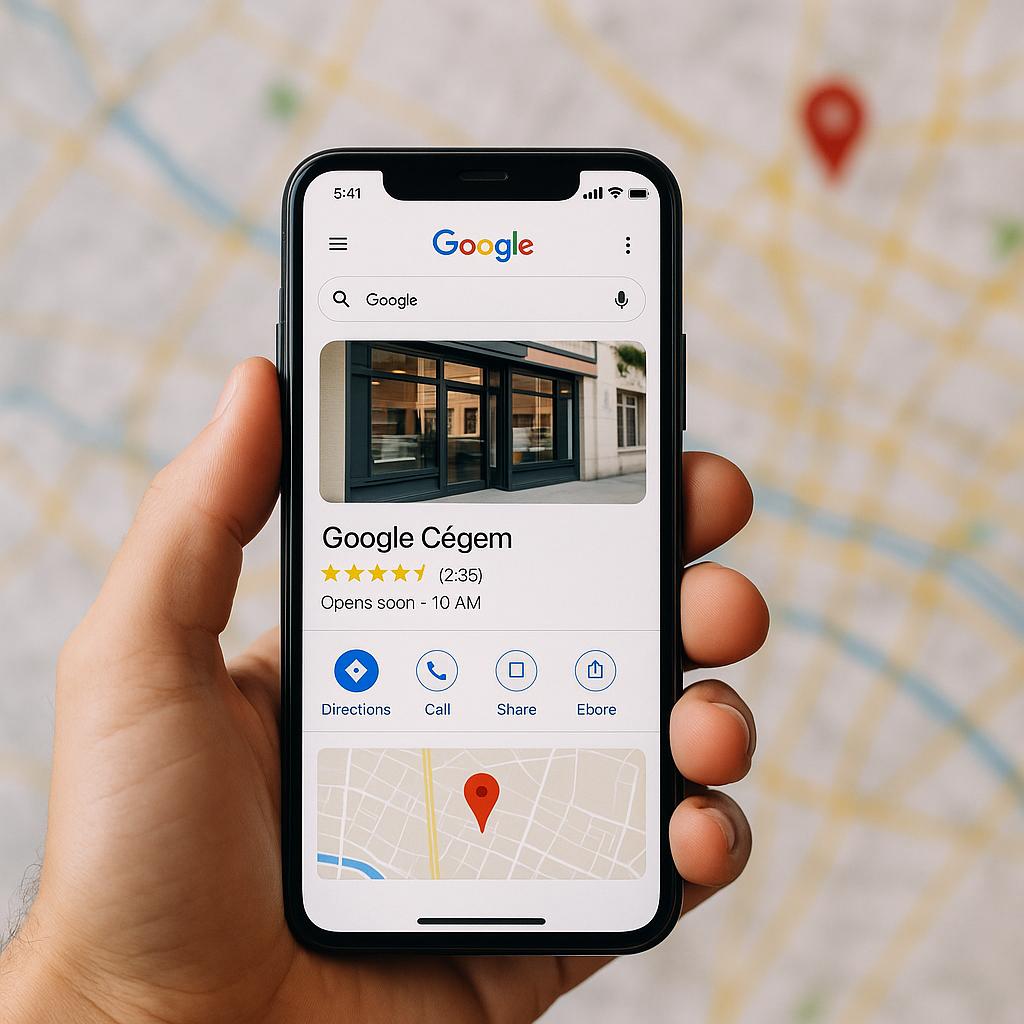
    A Google Business Profile allows businesses to provide important information about their business on Google Search and Google Maps. When properly created and maintained, it can make it easier for potential customers to discover a business and learn more about what it offers.

    What Is a Google Business Profile?

    A Google Business Profile is a free business listing that allows eligible businesses to manage how their information appears across Google.

    Depending on the business and its setup, a profile can display information such as:

    • Business name
    • Address or service area
    • Phone number
    • Website
    • Opening hours
    • Business category
    • Photos
    • Customer reviews
    • Products or services
    • Business updates

    For example, if someone searches for a digital marketing agency in their area, Google may display relevant businesses alongside information such as their location, reviews, website, and contact details.

    This gives potential customers an opportunity to learn about a business before visiting its website or making contact.

    Why Is Google Business Profile Important for Local Businesses?

    1. It Helps Customers Discover Your Business

    One of the biggest advantages of having a Google Business Profile is increased visibility when people search for relevant local businesses.

    Imagine someone searches for “digital marketing agency near me.” If your business is relevant to the search and meets Google’s criteria for appearing, your profile may be shown in local search results or on Google Maps.

    This can introduce your business to people who are already searching for the type of product or service you provide.

    Having a profile does not guarantee that a business will appear for every relevant search. However, having accurate and complete business information gives Google useful information about the business.

    2. It Provides Important Business Information

    Customers usually want basic information before deciding whether to contact a business.

    A Google Business Profile can make information such as your phone number, website, opening hours, and location easier to find.

    If information is outdated or incorrect, customers may become confused.

    For example, imagine a customer visits a business location based on an old address displayed online. They may have difficulty finding the business and could decide to look for another option.

    Keeping your profile information accurate is therefore an important part of managing your online presence.

    3. It Helps Customers Find Your Location

    Google Maps is particularly useful for businesses that have physical locations.

    Customers can use Google Maps to find directions, estimate travel time, and understand where a business is located.

    For local businesses, this can make the journey from online discovery to physical visitation easier.

    Businesses that serve customers without a physical storefront can also use appropriate service-area settings where applicable.

    4. Customer Reviews Can Provide Social Proof

    Reviews are another important part of a Google Business Profile.

    Before choosing a business, potential customers may look at reviews to understand the experiences of previous customers.

    Positive reviews can provide useful information about a company’s products, services, and customer experience.

    Businesses should encourage genuine customers to leave honest feedback and should respond professionally to reviews when appropriate.

    It is important not to create fake reviews or manipulate ratings. Authentic feedback is more useful to both businesses and customers.

    5. Photos Can Show Customers What to Expect

    Visual content can help potential customers understand a business before they visit or make contact.

    Depending on the type of business, photos could include:

    • Storefront images
    • Office photographs
    • Products
    • Team members
    • Completed projects
    • Interior spaces
    • Services being provided

    For example, a restaurant could use photographs of its dining area and food, while a digital marketing agency could showcase its office environment, team, or professional workspace.

    Businesses should use accurate and high-quality images that represent the actual business.

    6. It Can Support Local SEO

    Google Business Profile is closely connected to local SEO.

    Local SEO focuses on improving a business’s visibility for searches related to a particular geographic area.

    For example, a business in Lagos may want to be discovered when potential customers search for relevant services in Lagos.

    A local SEO strategy can involve several activities, including:

    • Maintaining an accurate Google Business Profile
    • Using relevant information on the business website
    • Creating useful local content
    • Building relevant local citations
    • Earning genuine customer reviews
    • Maintaining consistent business information across online platforms

    A Google Business Profile should therefore be considered as one part of a broader local SEO strategy rather than a complete SEO strategy by itself.

    7. Customers Can Contact Your Business More Easily

    A Google Business Profile can make it easier for potential customers to take action.

    Depending on the profile and available features, customers may be able to:

    • Call the business
    • Visit the website
    • Request directions
    • Send a message
    • View business information

    Reducing the number of steps between discovering a business and contacting it can make the customer journey simpler.

    For example, someone searching for digital marketing services may find a business on Google, read about its services, visit the website, and then contact the company.

    How to Optimize Your Google Business Profile

    Creating a profile is only the beginning. Businesses should also maintain and optimize their profiles.

    Use the Correct Business Information

    Make sure the business name, phone number, website, address, and other important information are accurate.

    Choose an Appropriate Category

    Business categories help Google understand what type of business you operate.

    Choose categories that accurately represent the business rather than selecting categories simply because they seem popular.

    Add High-Quality Photos

    Use clear, relevant images that accurately represent your business.

    Regularly updating your visual content can also help keep your profile active and informative.

    Keep Your Hours Updated

    If your opening hours change because of holidays, special events, or other circumstances, update the information where appropriate.

    Encourage Genuine Reviews

    Ask real customers to share honest experiences. Businesses should never rely on fake reviews to improve their online reputation.

    Respond to Customer Reviews

    Responding professionally to reviews can show customers that the business pays attention to feedback.

    Even when a review is negative, a polite and helpful response can be more appropriate than ignoring the customer.

    Common Google Business Profile Mistakes

    Some businesses create a profile and then forget about it.

    Other common mistakes include using inaccurate information, choosing irrelevant categories, uploading poor-quality images, ignoring customer reviews, and failing to update business information.

    Another mistake is expecting a Google Business Profile alone to guarantee high rankings.

    Local search visibility depends on multiple factors, and businesses should consider their website, content, reputation, relevance, and overall local SEO strategy.

    How NexaGrow Digital Can Help

    At NexaGrow Digital, we understand that having an online presence involves more than simply creating a website or social media account.

    For businesses that serve specific locations, improving their local online presence can help potential customers discover important information about their products and services.

    Google Business Profile optimization can form part of a broader digital marketing strategy that includes local SEO, website optimization, content marketing, social media marketing, and other online marketing activities.

    The right approach depends on the business, its target audience, its location, and its goals.

    Final Thoughts

    A Google Business Profile can be a valuable tool for local businesses that want to make their information easier to find on Google Search and Google Maps.

    By keeping business information accurate, adding relevant photos, encouraging genuine reviews, responding to customers, and paying attention to local SEO, businesses can create a more useful online presence for potential customers.

    However, a Google Business Profile should not be viewed as a replacement for a complete digital marketing strategy. It works best when combined with a professional website, useful content, local SEO, social media, and other relevant marketing channels.

    For a local business looking to improve its visibility online, setting up and properly maintaining a Google Business Profile is a practical place to start.

  • SEO for Small Businesses: A Beginner’s Guide

    SEO for Small Businesses: A Beginner’s Guide

    For many small businesses, having a website is only the beginning of building an online presence. The next challenge is helping potential customers discover that website when they search online.

    This is where Search Engine Optimization (SEO) comes in.

    SEO is the process of improving a website and its content so that search engines can better understand the website and connect its pages with relevant searches. For a small business, a good SEO strategy can help increase online visibility and make it easier for potential customers to discover its products or services.

    The good news is that businesses do not necessarily need a huge marketing budget to begin working on SEO. Understanding the fundamentals and consistently applying good practices can provide a strong foundation.

    What Is SEO?

    SEO stands for Search Engine Optimization.

    Search engines such as Google use automated systems to discover, understand, and organize information from websites. When someone performs a search, the search engine determines which results are most relevant to that query.

    SEO involves improving different parts of a website so that search engines can understand its content and users can have a better experience.

    Some important areas of SEO include:

    • Keyword research
    • On-page SEO
    • Technical SEO
    • Off-page SEO
    • Content creation
    • Local SEO
    • Website performance

    SEO is not about trying to trick search engines. Instead, businesses should focus on creating useful content and making their websites easy for both users and search engines to understand.

    Why Is SEO Important for Small Businesses?

    Small businesses often compete with larger companies for the attention of potential customers.

    A strong online presence can help smaller businesses become more discoverable when people search for relevant products or services.

    For example, imagine someone searches for “digital marketing agency in Lagos.” A digital marketing business that has an optimized website and a properly maintained Google Business Profile may have an opportunity to appear in relevant search results.

    SEO can therefore help businesses reach people who are already searching for information related to what they offer.

    1. Start With Keyword Research

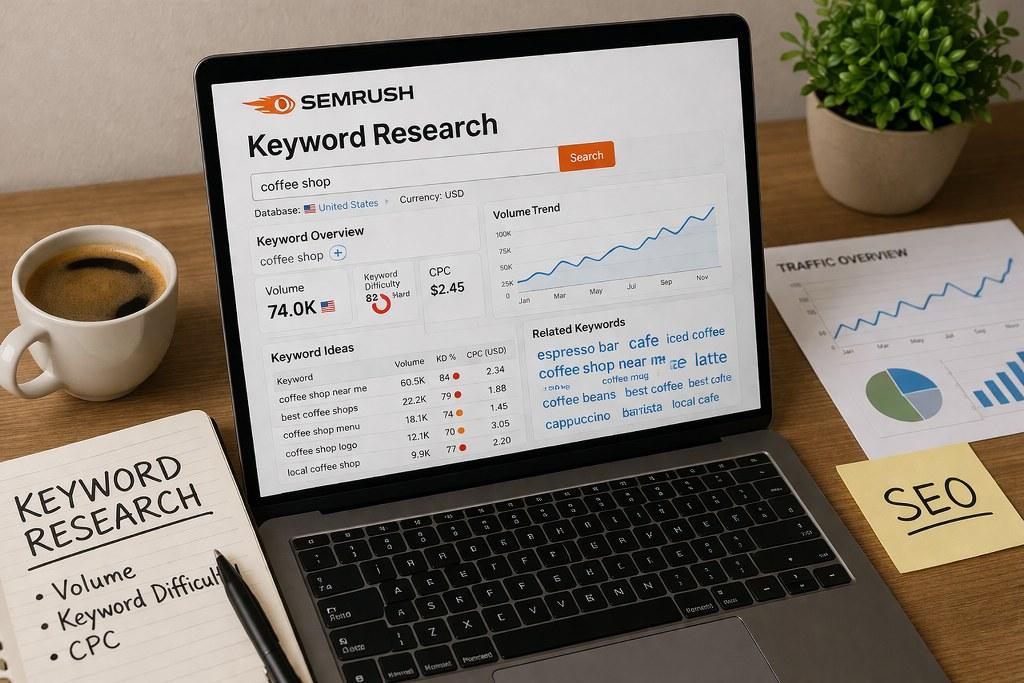
    Keyword research is one of the foundations of SEO.

    A keyword is a word or phrase that people enter into a search engine when looking for information, products, or services.

    Examples include:

    • “digital marketing agency”
    • “SEO services in Lagos”
    • “social media marketing”
    • “website design for small businesses”

    Before creating content, businesses can research the terms their target audience may use when searching for their services.

    However, keyword research is not simply about choosing the keyword with the highest search volume. Businesses should also consider search intent, competition, relevance, and whether the keyword matches what they actually offer.

    2. Create Useful and Relevant Content

    After identifying relevant topics and keywords, the next step is creating useful content.

    A business website can contain different types of content, including:

    • Blog articles
    • Service pages
    • Product descriptions
    • Guides
    • Frequently asked questions
    • Case studies
    • Educational resources

    For example, a digital marketing agency could create an article explaining how small businesses can improve their online visibility.

    The purpose should be to answer questions and provide useful information rather than simply repeating keywords.

    High-quality content should be written primarily for people, with SEO used to help search engines understand the topic.

    3. Understand On-Page SEO

    On-page SEO refers to improvements made directly to webpages.

    Some common on-page SEO elements include:

    Page Title

    The title helps communicate what a webpage is about. It should be relevant to the content and naturally include the main topic when appropriate.

    Headings

    Using headings such as H1, H2, and H3 can organize an article and make it easier to read.

    URL

    A simple and descriptive URL can help users and search engines understand the subject of a page.

    For example:

    /seo-for-small-businesses

    is easier to understand than a URL containing random numbers and characters.

    Meta Description

    A meta description provides a short summary of a webpage. Although it is not a direct ranking factor in the same way as many on-page elements, a clear description can help users understand what the page is about when it appears in search results.

    Internal Links

    Internal links connect one page on a website to another page on the same website.

    For example, this article could link to a future NexaGrow Digital article about local SEO.

    Internal linking can help visitors discover more content and help search engines understand the relationship between pages.

    4. Don’t Ignore Technical SEO

    Technical SEO focuses on aspects of a website that can affect how search engines access and understand its pages.

    Some technical areas include:

    • Website speed
    • Mobile usability
    • Site structure
    • XML sitemaps
    • HTTPS
    • Crawlability
    • Indexing

    A website may contain excellent content, but technical problems can make it harder for search engines to access or understand the pages.

    Small businesses should therefore pay attention to both their content and the technical health of their websites.

    5. Build Relevant Backlinks

    A backlink is a link from another website to your website.

    Backlinks can help search engines discover pages and can also contribute to a website’s authority when they come from relevant and trustworthy sources.

    For example, a local business might receive a link from a local business directory, industry publication, partner organization, or relevant blog.

    However, businesses should not focus on getting as many backlinks as possible.

    Quality and relevance matter. Buying large numbers of low-quality links or using manipulative link-building practices can create SEO problems.

    The goal should be to earn relevant links naturally through useful content, partnerships, digital PR, and genuine relationships.

    6. Focus on Local SEO

    Local SEO is particularly important for businesses that serve customers in specific locations.

    A business that operates in Lagos, for example, may want to appear when people search for services in Lagos or nearby areas.

    Important local SEO activities can include:

    • Creating and maintaining a Google Business Profile
    • Keeping business information accurate
    • Using relevant local information on the website
    • Creating location-specific content where appropriate
    • Encouraging genuine customer reviews
    • Building relevant local citations

    For a local business, appearing in relevant local search results can help potential customers discover its services.

    7. Make Your Website Mobile-Friendly

    Many people access websites using smartphones.

    A website that works well on a desktop computer but is difficult to use on a smartphone can create a poor user experience.

    Businesses should make sure their websites are easy to navigate on different screen sizes.

    Important areas include:

    • Readable text
    • Easy-to-use menus
    • Properly sized buttons
    • Fast loading times
    • Responsive page design

    A mobile-friendly website can make it easier for visitors to find information and take actions such as contacting the business or making a purchase.

    8. Be Patient With SEO

    One of the biggest misconceptions about SEO is that it produces immediate results.

    SEO is generally a long-term strategy. The amount of time required to see meaningful results can vary depending on factors such as competition, website history, content quality, technical issues, and the industry.

    Businesses should therefore avoid expecting a new website or article to rank immediately.

    Instead, SEO should be treated as an ongoing process involving research, content creation, optimization, measurement, and improvement.

    Common SEO Mistakes Small Businesses Should Avoid

    Small businesses can make several mistakes when starting SEO.

    One common mistake is keyword stuffing, which means using a keyword excessively in an attempt to influence search rankings.

    Another mistake is copying content from other websites instead of creating original and useful information.

    Businesses should also avoid creating pages simply because they want to target a large number of keywords without considering whether those pages provide genuine value.

    Other mistakes include ignoring mobile users, neglecting technical SEO, using poor-quality backlinks, and failing to update outdated information.

    How NexaGrow Digital Can Help

    At NexaGrow Digital, we help businesses understand how digital marketing can support their online goals.

    SEO can be an important part of that strategy. From keyword research and content planning to on-page optimization and local SEO, businesses can use different SEO techniques to improve their online visibility.

    Our approach focuses on understanding a business, its target audience, and the products or services it provides before developing an appropriate digital marketing strategy.

    Final Thoughts

    SEO can be an important part of building a sustainable online presence for a small business.

    It involves much more than adding keywords to a webpage. Effective SEO can include keyword research, useful content, on-page optimization, technical improvements, local SEO, internal linking, and earning relevant backlinks.

    For small businesses, the best place to start is with the fundamentals. Build a useful website, understand what your customers are searching for, create valuable content, maintain accurate business information, and continuously monitor your results.

    SEO takes time, but consistently improving your website and providing useful information can help create a stronger foundation for long-term online visibility.

  • How Much Does Website Design Cost in Lagos?

    How Much Does Website Design Cost in Lagos?

    If you are planning to create a website for your business, one of the first questions you will probably ask is: How much does website design cost in Lagos?

    The answer depends on several factors, including the type of website you need, the number of pages, design requirements, features, hosting, domain registration, content, and the experience of the web designer or web design company you choose.

    In Lagos, website design prices can range from a relatively affordable amount for a simple business website to several million naira for a large e-commerce platform or custom web application. Understanding what affects the price can help you choose the right option for your business without paying for features you do not need.

    This guide explains the typical website design cost in Lagos, the different types of websites you can build, what is usually included, and what you should consider before hiring a website designer.

    Average Website Design Cost in Lagos

    The cost of designing a website in Lagos varies widely depending on the project. A basic website for a small business will cost significantly less than a custom website with advanced features.

    As a general guide, you may encounter the following price ranges:

    Website TypeEstimated Cost in Lagos
    Basic personal website₦100,000 – ₦200,000
    Small business website₦150,000 – ₦400,000
    Professional corporate website₦300,000 – ₦800,000
    E-commerce website₦350,000 – ₦1,500,000+
    Custom web application₦1,000,000 – ₦5,000,000+
    Large enterprise website₦1,000,000+

    These are general estimates rather than fixed industry prices. A project can fall outside these ranges depending on its complexity and the company handling the development.

    What Determines Website Design Cost in Lagos?

    Several factors influence the amount you will pay for a website. Understanding them makes it easier to compare quotations from different web designers.

    1. Type of Website

    The type of website you want is one of the biggest factors affecting the price.

    A simple five-page business website may only require pages such as Home, About Us, Services, Contact, and a Blog. An online store, however, needs product pages, payment integration, shopping carts, order management, customer accounts, and other features.

    For this reason, an e-commerce website will normally cost more than a basic company website.

    2. Number of Pages

    The number of pages can also affect the cost.

    A small business may only need five to ten pages, while a larger company may require dozens of service pages, product pages, location pages, case studies, and blog categories.

    Some web designers charge based on the entire project, while others may increase their quotation depending on the number of pages required.

    Before starting, create a list of the pages you need. This makes it easier to get an accurate quotation.

    3. Website Design and Customization

    A website built from a standard template can be cheaper than one designed specifically for your brand.

    Templates can provide a good starting point, particularly for small businesses. However, you may want a completely customized design if your business needs a unique appearance or specific user experience.

    Custom design may include:

    • Brand-specific layouts
    • Custom graphics
    • Unique page sections
    • Mobile-responsive designs
    • Custom navigation
    • Interactive elements
    • Conversion-focused landing pages

    The more design work required, the higher the overall cost is likely to be.

    4. WordPress or Custom Development

    The technology used to build your website can significantly affect your budget.

    WordPress is one of the most popular options for business websites because it allows businesses to create professional websites without developing everything from scratch.

    A WordPress website can also be extended with plugins for SEO, forms, security, ecommerce, bookings, memberships, and other functions.

    Custom development is different. A developer may build specific features specifically for your business instead of relying mainly on existing themes and plugins.

    Custom development can therefore cost considerably more.

    5. E-commerce Features

    If you want to sell products or services online, your website will require additional functionality.

    An e-commerce website may need:

    • Product listings
    • Shopping cart
    • Online payment
    • Order management
    • Customer accounts
    • Delivery options
    • Discount codes
    • Inventory management
    • Product search and filters
    • Automated emails

    Payment gateways and third-party services may also have their own transaction or subscription charges.

    Because of these additional requirements, e-commerce website design in Lagos generally costs more than designing a basic informational website.

    6. Website Content

    Website design is not the only cost involved in launching a website.

    You also need content.

    This includes:

    • Website copy
    • Product descriptions
    • Images
    • Videos
    • Graphics
    • Blog content
    • Company information

    Some web design companies include basic content uploading in their packages, while professional copywriting, photography, video production, or extensive content creation may cost extra.

    If you already have your content prepared, your project may be simpler and potentially cheaper.

    7. Domain Name and Hosting

    Your website needs a domain name and hosting before people can access it online.

    A domain is your website address, such as yourbusiness.com.ng or yourbusiness.com.

    Web hosting is the server where your website files are stored.

    These are usually recurring expenses rather than one-time website design costs.

    The price depends on factors such as:

    • Domain extension
    • Hosting company
    • Storage
    • Website traffic
    • Server resources
    • Number of websites
    • Backup requirements

    Some Lagos web designers include a domain and hosting for the first year in their packages, while others charge separately.

    Always ask whether hosting and domain registration are included in the quotation.

    8. SEO Setup

    Search engine optimization can also affect the cost of your website project.

    Basic SEO setup may include:

    • SEO-friendly URLs
    • Page titles
    • Meta descriptions
    • Image optimization
    • Sitemap configuration
    • Search engine indexing
    • Mobile optimization
    • Basic keyword placement
    • Google Search Console setup

    However, ongoing SEO is a separate service.

    If your goal is to generate consistent traffic from Google, you may need an ongoing SEO campaign involving content creation, technical SEO, local SEO, keyword research, and link building.

    Website Design Cost by Business Type

    Different businesses have different website requirements.

    Small Businesses

    A local restaurant, salon, real estate agent, consultant, cleaning company, or small professional service business may only need a relatively simple website.

    The website could include:

    • Home
    • About
    • Services
    • Gallery
    • Contact
    • WhatsApp button
    • Google Maps
    • Contact form

    A website like this generally requires less development than an online marketplace or large e-commerce platform.

    Corporate Businesses

    Larger companies often need a more professional and detailed online presence.

    A corporate website may include:

    • Multiple service pages
    • Team profiles
    • Company information
    • Case studies
    • Careers
    • Blog
    • Downloadable documents
    • Contact forms
    • Multiple locations
    • Lead-generation features

    This additional work can increase the cost.

    E-commerce Businesses

    Online stores usually require more development because customers need to browse products, add items to their cart, make payments, and receive order information.

    The number of products and complexity of the checkout process can also affect the price.

    Cheap Website Design in Lagos: Is It Worth It?

    You may find very cheap website design offers in Lagos, but price should not be the only consideration.

    A cheap website may look attractive initially but could have limitations such as poor design, slow loading speed, weak security, limited functionality, or no support after launch.

    This does not mean an expensive website is automatically better.

    The important thing is to understand exactly what you are paying for.

    Before accepting a cheap website package, ask:

    • Is the domain included?
    • Is hosting included?
    • Is the website mobile-friendly?
    • Who owns the website?
    • Will I receive administrator access?
    • Are backups included?
    • Is basic SEO included?
    • Is the website secure?
    • Is support included after launch?
    • Are future updates included?

    How to Choose a Web Design Company in Lagos

    When comparing web design companies, look beyond the price.

    Check their previous projects and look at the quality of websites they have built.

    You should also consider their experience with businesses similar to yours.

    A good web design company should be able to explain what your website needs rather than simply giving you a price.

    Ask for a clear proposal showing:

    • Project scope
    • Number of pages
    • Features
    • Design process
    • Development timeline
    • Domain and hosting
    • Content responsibilities
    • SEO setup
    • Maintenance
    • Payment terms

    This helps prevent unexpected costs later.

    What Should a Website Design Package Include?

    A professional website package may include some or all of the following:

    • Website design
    • Mobile responsiveness
    • Domain registration
    • Web hosting
    • SSL certificate
    • Contact forms
    • Social media integration
    • WhatsApp integration
    • Google Maps
    • Basic SEO
    • Website analytics
    • Website security
    • Backups
    • Website training
    • Post-launch support

    However, packages vary between companies, so always confirm what is included before making payment.

    How Much Should You Budget for a Business Website in Lagos?

    For many small and medium-sized businesses, a reasonable starting budget is around ₦150,000 to ₦800,000, depending on the size and requirements of the website.

    A simple business website may fall toward the lower end, while a professionally designed corporate website with more pages and features can cost considerably more.

    If you need an advanced e-commerce platform, booking system, membership website, marketplace, or custom application, your budget may need to be significantly higher.

    The best approach is to determine your business requirements first and then request quotations based on those requirements.

    Frequently Asked Questions

    How much does it cost to design a website in Lagos?

    Website design in Lagos can range from around ₦100,000 for a simple website to several million naira for advanced websites and custom web applications. The final cost depends on the type, size, design, features, and development requirements.

    How much does a 5-page website cost in Lagos?

    A five-page business website can cost approximately ₦150,000 to ₦400,000 depending on the designer, design quality, content requirements, hosting, SEO setup, and additional features.

    How much does an e-commerce website cost in Lagos?

    An e-commerce website can cost approximately ₦350,000 to ₦1,500,000 or more. Large stores with advanced product management, integrations, custom checkout systems, and other features can cost significantly more.

    Is WordPress cheaper for website design?

    WordPress can be more affordable than building a website entirely from scratch because developers can use existing themes and plugins. However, the final cost depends on the level of customization and functionality required.

    Do I need to pay for hosting every year?

    Yes. Web hosting is normally a recurring expense. Some companies include the first year of hosting in their website package, but you should confirm the renewal cost before signing up.

    Can I build a website for free?

    Free website builders are available, but they often come with limitations. A professional business website usually requires a domain, hosting, design, and potentially additional tools or services.

    How long does it take to design a website in Lagos?

    A basic business website may take anywhere from several days to a few weeks. Larger websites can take several weeks or months depending on the number of pages, content, integrations, revisions, and development requirements.

    Conclusion

    The cost of website design in Lagos depends largely on what you want your website to accomplish. A simple business website can be relatively affordable, while an e-commerce platform, corporate website, or custom web application requires a larger investment.

    Instead of choosing a web designer based solely on the cheapest quotation, consider the website’s design quality, performance, security, SEO foundation, scalability, support, and ownership.

    Before hiring a web design company, clearly define your requirements and ask for a detailed quotation. This allows you to compare different providers properly and choose a website package that fits your business goals and budget.